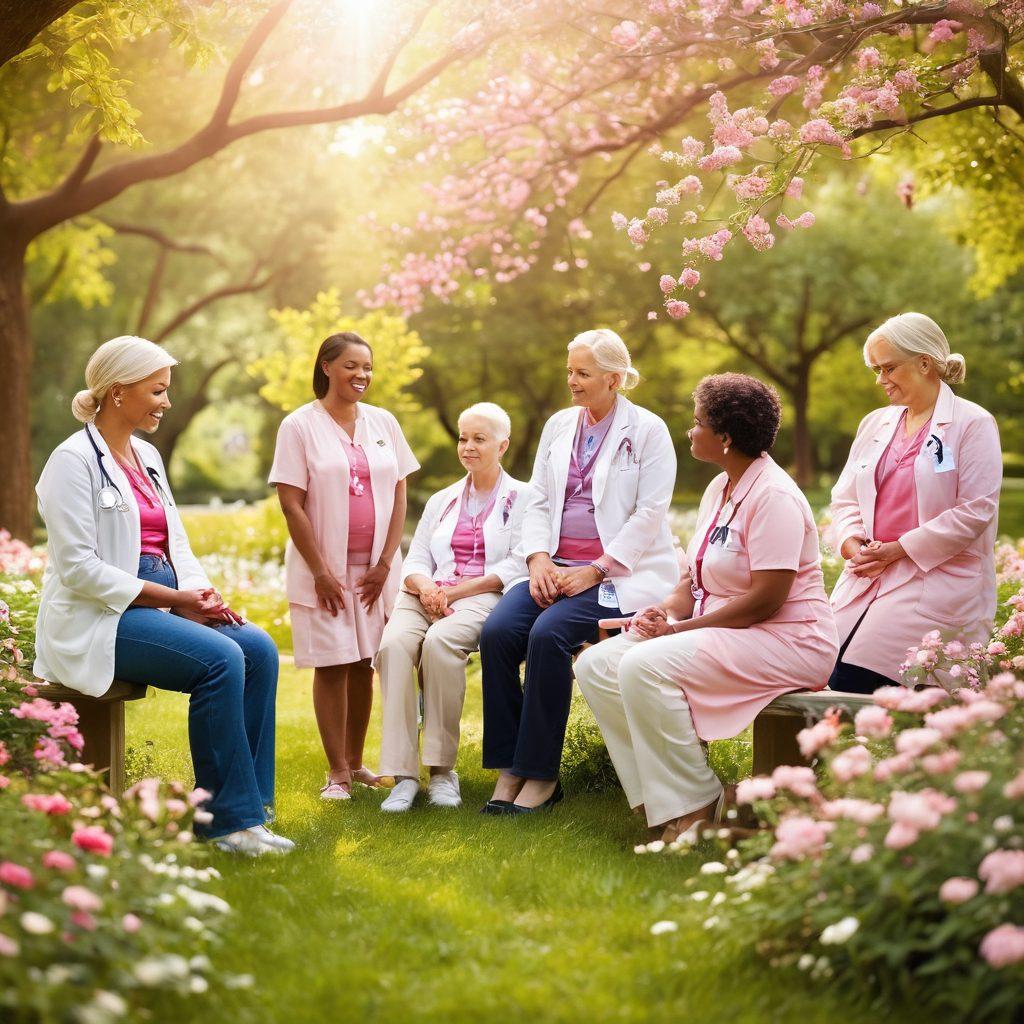
Navigating Cancer: Effective Treatments and Support for Survivorship
Every year, millions of people around the world hear the words 'you have cancer,' sending shockwaves through their lives. Cancer, a term that encompasses various malignancies such as carcinoma, tumors, and neoplasm, is not just a medical diagnosis—it’s a profound emotional journey. But amid the overwhelming nature of these words, the field of oncology has been illuminated by groundbreaking innovations that offer hope and healing. In this blog, we dive into the latest approaches in cancer treatment, empowering you with knowledge and support tailored to survivors and those facing the challenge head-on.
The landscape of cancer treatment is evolving at an unprecedented pace, spurred by relentless cancer research and advances in technology. From the traditional routes of chemotherapy and radiation therapy to cutting-edge immunotherapy, patients now have access to a plethora of options tailored to the type of malignancy they face. It's like navigating a minefield; the right path can lead to recovery, while the wrong turn can mean prolonged suffering. Are you informed enough about which treatment might work best for you? It’s crucial to engage in discussions with your medical team and explore personalized cancer treatments that align with your unique cancer profile.
One powerful story is that of Maria, a humble teacher who was diagnosed with breast carcinoma. Initially overwhelmed, Maria became her own advocate, actively researching break-through treatments in oncology that could potentially help her thrive. She stumbled upon immunotherapy and learned about how it harnesses the body's immune system to combat cancer cells. With determination and support from her family, she opted for this modern approach and is now bravely sharing her journey as a survivor, emphasizing how cancer education transformed her experience from dread to empowerment. Just like Maria, can you envision a path where you transform the challenges of cancer into an opportunity for awareness and growth?
Let’s not forget the importance of lifestyle changes for cancer. The spotlight isn’t solely on treatments; what we do outside of medical settings plays a critical role in our survivorship journey. Incorporating wellness practices like balanced nutrition, regular exercise, and mindfulness can be your allies in battling the effects of cancer and enhancing overall health. Imagine if the key to your recovery lies not just in the latest technology but also in the simple act of choosing a nourishing meal or a brisk walk in the park. Are you ready to redefine your relationship with health?
In conclusion, the path through cancer does not have to be walked alone. Patient support is fundamental, be it through connecting with fellow survivors, seeking professional counseling, or joining support groups. Engaging in a community of understanding can dramatically shift the experience of facing cancer, reminding us all that we are not alone. So, as we uncover innovative oncology advancements, let’s also commit to spreading cancer awareness and fostering a supportive environment that champions survivorship. What steps will you take today towards empowerment in your cancer journey?
Empowering Survivorship: Support Systems and Lifestyle Changes for Cancer Warriors
When faced with a diagnosis of cancer, it can often feel like you’ve been plunged into a turbulent sea of uncertainty. You may be asking yourself, "How will I navigate this journey?" The road to recovery not only involves medical treatments such as chemotherapy, radiation therapy, and immunotherapy, but also integrates a powerful aspect of healing—support systems and lifestyle changes. As you embark on this journey of survivorship, understanding how to empower yourself and build resilience is vital. In this blog, we’ll explore effective support systems and the lifestyle changes that are essential for cancer warriors looking to reclaim their lives after facing malignancy.
Imagine walking through a dense fog, surrounded by questions and fears. Support systems can be your guiding light, illuminating the path forward. Whether it’s through a community support group, online forums, or family and friends, having people who understand your struggles can provide comfort and encouragement. Oncology specialists emphasize that emotional and psychological support is just as crucial as any cancer treatment. As one cancer survivor aptly said, "We can’t always control our diagnosis, but we can control how we respond to it." How can you weave a safety net of support around yourself or a loved one battling carcinoma?
In addition to emotional support, lifestyle changes for cancer survivors play a significant role in recovery and overall wellness. Engaging in regular physical activity, maintaining a balanced diet rich in nutrients, and practicing mindfulness can dramatically improve your quality of life post-treatment. Research shows that certain lifestyle adjustments can reduce the risk of recurrence for individuals who have undergone treatment for neoplasm. What small, actionable steps can you take today to foster a healthier lifestyle? Consider incorporating a daily walk or exploring new, nutritious recipes that delight your senses and nourish your body.
Cancer awareness continues to evolve, as does the understanding of survivorship. From the latest advancements in cancer research to holistic approaches like alternative medicine, there are myriad options available to support your journey. It’s empowering to know that there are resources at your fingertips—a wealth of medical blogs and health education platforms that can help you stay informed about your options. How might leveraging these resources transform your approach to survivorship and cancer prevention? Remember that knowledge is strength, and every piece of information can guide you closer to a healthier future.
As you move through the maze of survivorship, allow your journey to be one of continuous growth. Recognize that while the scars from treatment may remain, they are symbols of resilience and strength. Keep in mind that reaching out for help is not a sign of weakness; it is an act of courage. Build your support systems, embrace lifestyle changes, and remain committed to your wellness journey. In the end, survivorship is about living your best life after cancer, not letting it define you. What story will you tell about your journey through cancer that inspires others on their path?
From Radiation to Immunotherapy: Navigating the Spectrum of Cancer Care Options
When faced with a cancer diagnosis, one can easily feel lost in the overwhelming sea of information about treatment options. However, understanding the spectrum of cancer care options, from radiation therapy to immunotherapy, can empower patients and their families in their journey. Each term carries with it a story, a possibility of healing, and a path towards survivorship. Organizations in the field of oncology have long been dedicated to untangling the web of treatment protocols, aiming not only to treat the tumor but to enhance the overall quality of life for cancer patients.
Imagine standing at the crossroads of medical information, where traditional routes like chemotherapy and radiation therapy meet newer innovations like immunotherapy. How do you choose which path to follow? Each option has its strengths; chemotherapy harnesses the power to kill fast-growing malignant cells, while radiation therapy targets specific areas to minimize damage to healthy tissue. With advancements in cancer research, immunotherapy—the body's own immune system being bold enough to fight neoplasms—has emerged as a viable alternative. Could this be the turn you need to take towards recovery?
Yet navigating this complex landscape isn’t solely about the treatment itself; it's about understanding the role of patient support, wellness, and lifestyle changes for cancer. The journey can be grueling, and feelings of isolation often creep in during treatment phases. How do we cultivate a supportive environment or seek out cancer awareness initiatives that resonate with our experiences? Joining support groups, discussing concerns with oncologists, or even engaging in health education can build a system of resilience amid the unpredictability of cancer.
Each form of cancer treatment comes with its unique set of challenges and side effects, inevitably changing your daily routine. It's here that the conversation shifts towards lifestyle changes for cancer survivors. Did you know that nutrition plays a critical role in recovery? Research has shown that a balanced diet rich in fruits and vegetables can aid healing and boost the immune system. Coupled with regular physical activity, these small changes can lead to significant progress on the path to survivorship—creating a life that flourishes even post-treatment.
As we continue to share stories of triumph over malignancy through our health blogs and medical resources, we must also remain curious about alternative medicine, advocating for comprehensive care that respects both conventional and non-conventional methods. What are the emotional, mental, and spiritual impacts of cancer treatment? Can mindfulness, yoga, or acupuncture also play a role in one’s healing journey? By broadening our awareness and understanding the different possibilities, we become proactive agents of our own health, ready to face the future.